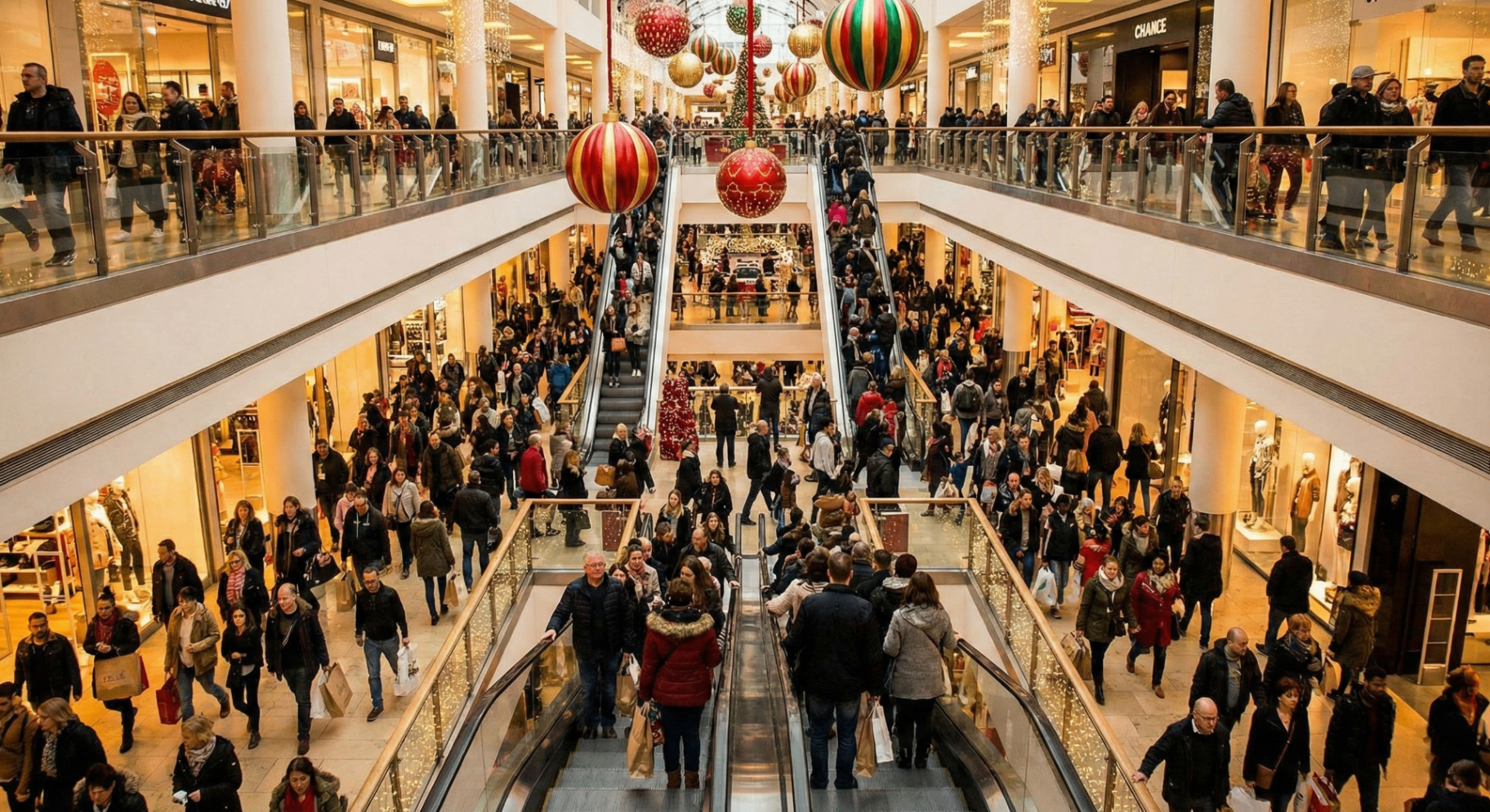
In the rapidly evolving retail landscape, shopping malls stand at a crossroads. The rise of e-commerce and changing consumer behaviors have forced a rethinking of traditional mall marketing strategies. Now, more than ever, innovative approaches are essential to attract and retain customers, offering them unique, memorable shopping experiences.

The State of Shopping Malls Today
Despite the challenges, shopping malls are far from obsolete. They are transforming, leveraging technology, and innovative marketing to create value for shoppers and retailers alike. Placer.ai's ongoing foot-traffic research has repeatedly pointed to the resilience of brick-and-mortar retail, noting that differentiation and targeting — rather than location alone — are what separates malls that keep growing traffic from those that don't.
Understanding Your Audience: The Gen Z and Millennial Shopper
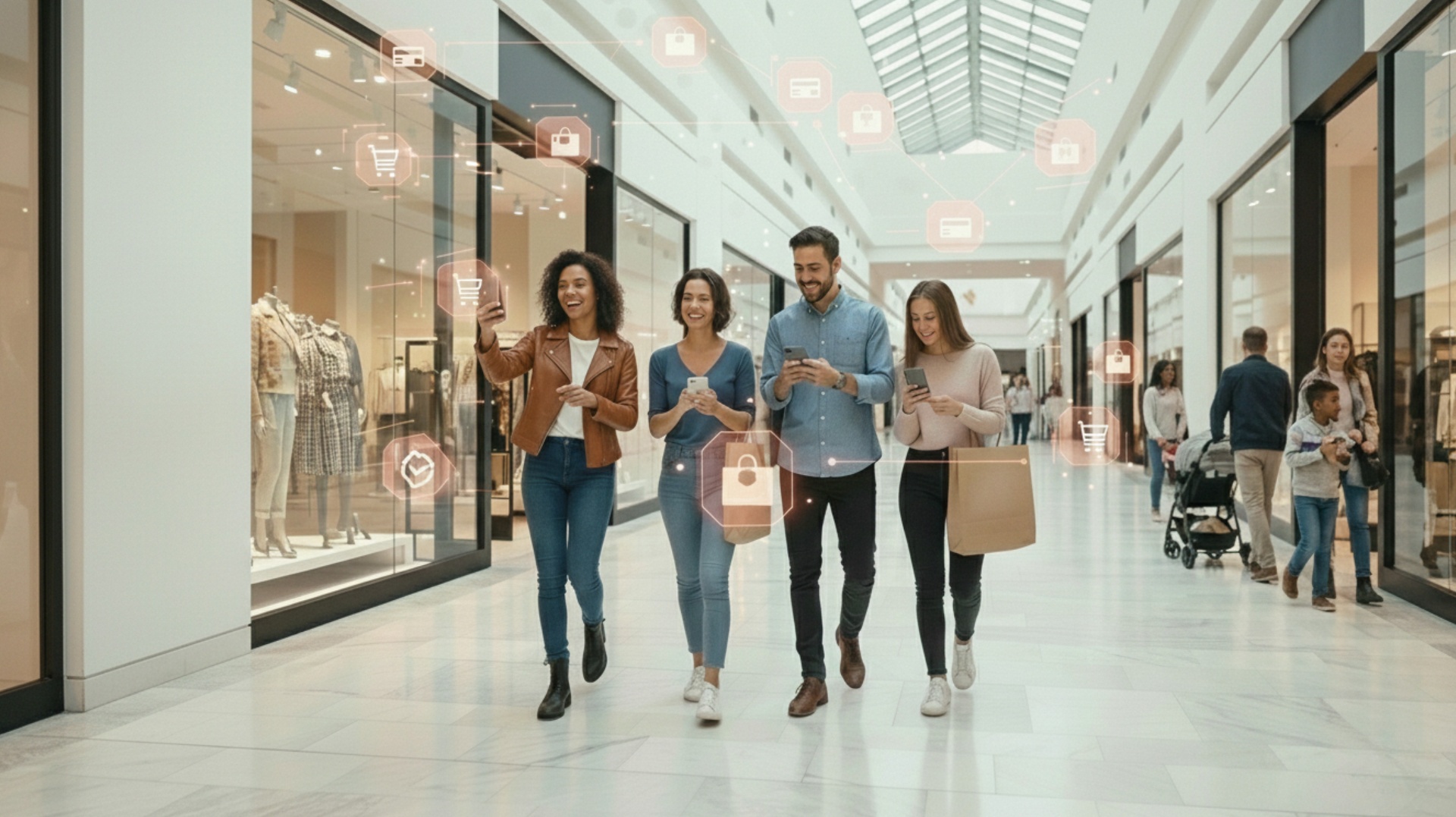
A significant shift in mall marketing strategies involves understanding the preferences of Gen Z and Millennials. Research from HubSpot's State of Consumer Trends work has found that younger shoppers frequently discover products on social media but still prefer completing the purchase in a physical store. This highlights the need for a hybrid marketing approach that blends digital discovery with physical retail experiences, rather than treating social media and in-store as competing channels.
Leveraging Technology for Enhanced Customer Experiences
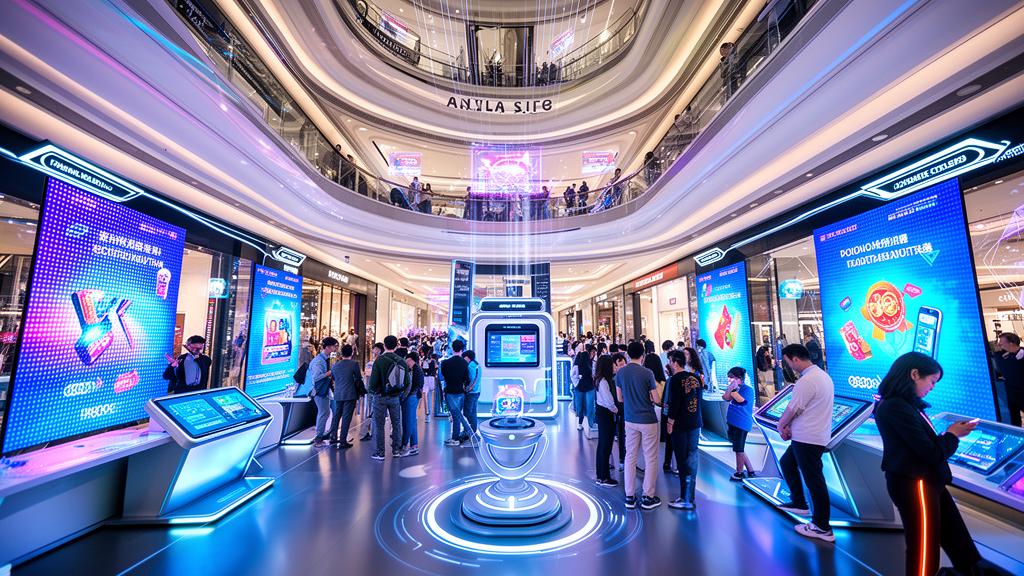
Technology plays a pivotal role in modern mall marketing strategies. From AI and personalization to augmented reality (AR) and beyond, malls are embracing tech to offer unique, engaging shopping experiences. Surveys of younger consumers have generally shown more openness to AI in retail than older cohorts, which is an opportunity for malls willing to pilot AI-driven recommendations, chat support, or navigation tools.
The Importance of Loyalty Programs and Personalization
Amidst economic uncertainty, shopper interest in loyalty and rewards programs has tended to hold up or grow, as value-conscious consumers look for ways to get more from the spending they're already doing. Personalized marketing, powered by AI, can significantly enhance the shopping experience, encouraging repeat visits and fostering a sense of community among shoppers.
Adapting to the Digital Shift
The shift of some purchases from in-store to online is a durable trend rather than a temporary one. Shopping malls must adapt by integrating digital channels into their marketing strategies, using online platforms — social media, email, apps — to drive offline foot traffic instead of treating digital and physical retail as separate strategies.
Experience shopping like never before with Cloud Mall, where innovation, convenience, and immersive technology bring the mall to your fingertips.
The Future of Shopping Malls: Community Hubs and Experiential Spaces
The shopping mall of the future is increasingly envisioned as a community hub, offering more than just retail. Coverage from outlets like Retail TouchPoints has repeatedly described malls investing in events, programming and curated experiences designed to draw visitors for reasons beyond a single purchase.
Practical Campaign Tactics for Mall Marketing Teams
Turning these trends into a working marketing calendar means mixing a few concrete tactic types rather than running one campaign at a time in isolation:
- Anchor-driven cross-promotion — coordinating promotions between anchor tenants and smaller retailers so foot traffic drawn by a major store also reaches units that can't afford large marketing budgets of their own.
- Seasonal and local-event tie-ins — aligning campaigns with school calendars, local holidays and community events rather than only national retail dates, which tends to resonate more with a mall's specific catchment area.
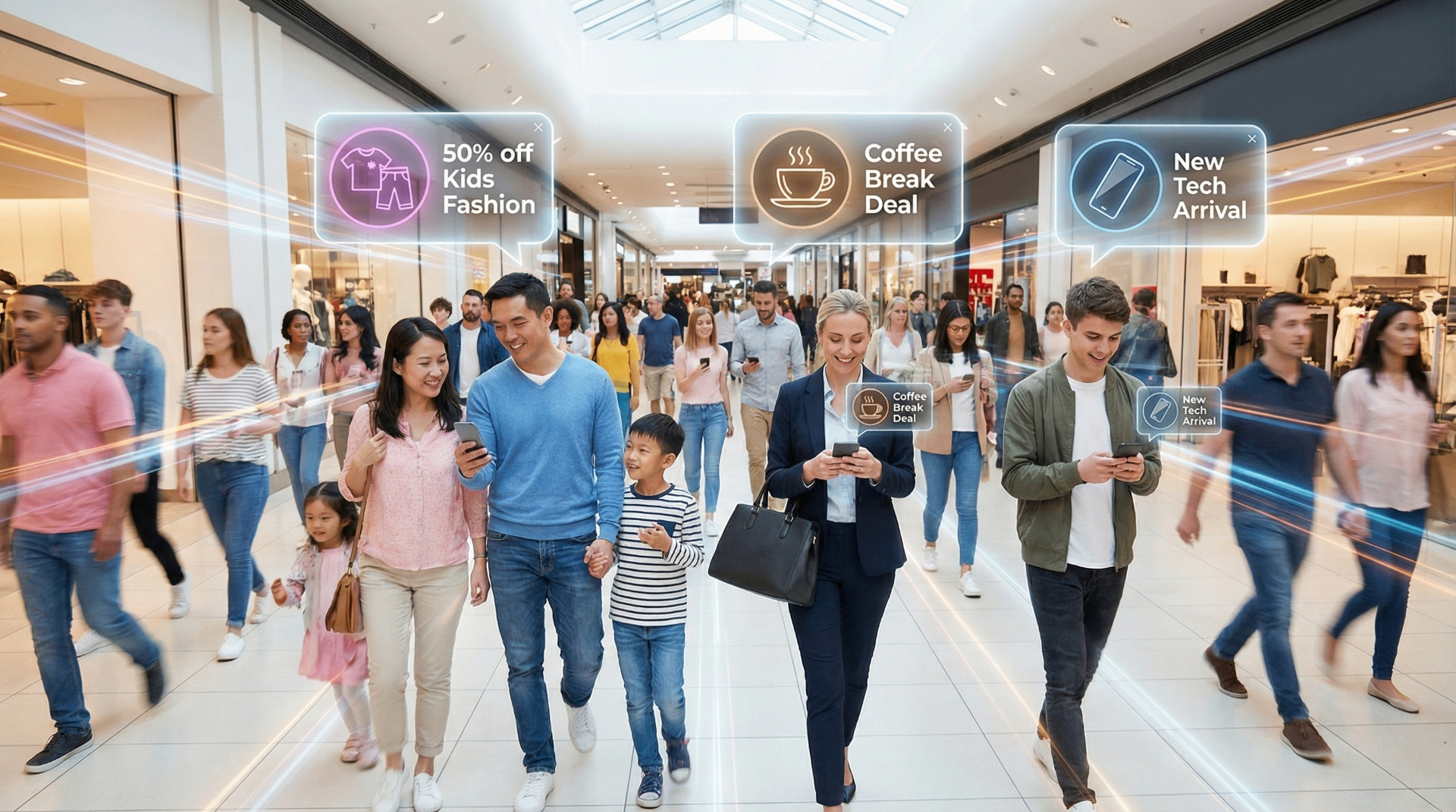
- App-driven, location-aware offers — using the mall's own app or loyalty program to push time-limited offers to shoppers who are already on site, converting a browsing visit into a purchase.
- Content built around tenant stories — short video or social content featuring individual tenants performs better on social platforms than generic mall branding, and gives smaller retailers a reason to share the mall's content with their own audience.

Strategies for Adaptation and Growth
Malls must focus on adaptive strategies to thrive. This includes diversifying offerings with more restaurants and entertainment options, enhancing the in-mall experience through technology, and embracing smaller, more focused retail formats that can occupy space vacated by larger tenants.
Measuring What Actually Works
Next-gen marketing tactics are only worth adopting if a mall can measure their effect. That means tracking foot traffic and dwell time around a specific campaign period, comparing app-driven offer redemptions against a control group of shoppers who didn't receive the offer, and reviewing tenant-reported sales lift where tenants are willing to share it — rather than judging a campaign purely on impressions or social engagement, which don't always translate into visits or spend.
Reimagining Mall Marketing for the Future
As shopping malls navigate the complexities of the modern retail environment, the key to success lies in innovation, adaptation, and a deep understanding of consumer behavior. By embracing technology, personalization, and community-focused strategies, malls can reinvent themselves as vibrant, dynamic destinations for a new generation of shoppers.