In the fast-paced world of property management, efficiency is key to success. Whether you're managing a shopping mall, business center, or commercial property, the demands of tenants, maintenance, and operations can be overwhelming without the right tools in place. That's where a property management system (PMS) comes in. In this comprehensive guide, we'll explore the importance of implementing a property management system for your property and how it can streamline operations, improve tenant satisfaction, and boost your bottom line — with a closer look at the two capability areas that carry the most operational weight for a commercial property: tenant management and facility management.
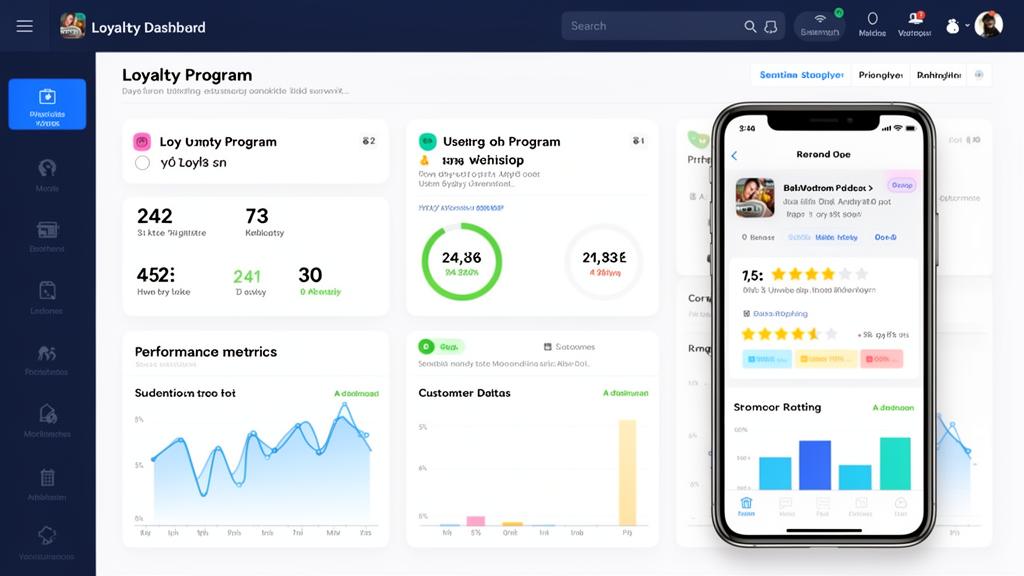
Streamline property management tasks with our real estate app, designed to simplify operations and enhance efficiency.

1. Streamlined Operations
A property management system centralizes all property-related tasks, including lease management, rent collection, maintenance requests, and vendor management. By automating these processes, property managers can save time and reduce administrative overhead.
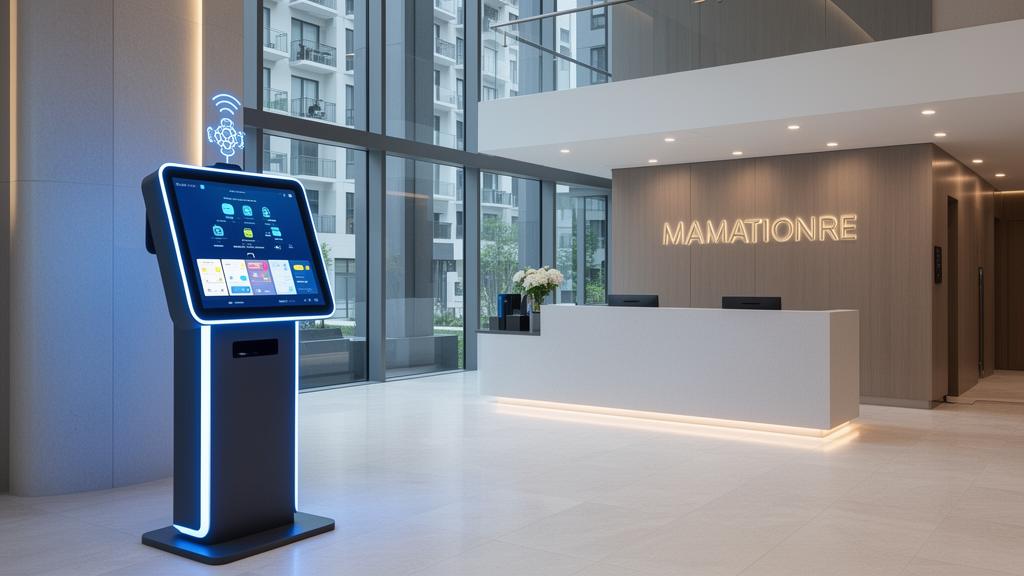
Experience seamless automation with our smart building automation systems. Our solutions automate routine tasks such as lighting, HVAC control, and security, improving operational efficiency and reducing energy consumption.
Property managers who move from spreadsheets and email threads to a centralized PMS consistently report that the biggest early win is simply visibility — knowing, in one place, which leases are expiring, which maintenance tickets are overdue, and which vendors are on site, rather than reconstructing that picture from multiple systems.
Tenant Management: The Operational Core of a PMS
For a shopping mall or business center, tenant management is where a property management system earns its keep day to day. It covers the full lifecycle of the tenant relationship, not just rent collection.
Lease lifecycle and document control
A PMS should track every lease's key dates — commencement, break options, renewal windows, rent review dates and expiry — and surface them to the leasing team automatically, rather than relying on a manually maintained spreadsheet that goes stale the moment someone forgets to update it. Centralized document storage for signed leases, amendments, guarantees and insurance certificates also matters: during a lease dispute or an asset sale, being able to produce the full document trail for a unit in minutes rather than days is a real operational advantage.
Rent, service charge and arrears management
Beyond collecting base rent, a mall or business center PMS needs to handle turnover rent calculations for retail tenants, service charge reconciliation across common areas, and clear visibility into arrears by tenant and by unit. Automating invoicing and payment reminders reduces the manual chasing that consumes a large share of a property accountant's time, and gives asset managers an accurate, current picture of collections rather than a month-end snapshot.
Tenant communication and self-service
A property management system enables better communication between property managers and tenants. With features like online portals for rent payments, service requests and document access, tenants get faster answers without needing to call or email the management office for routine matters, and property managers spend less time on repetitive administrative requests. Find out more about tenant engagement.
Commercial building systems are the backbone of modern real estate management. We understand the complexities involved in managing commercial properties, which is why we offer a suite of innovative solutions tailored to meet the unique needs of commercial real estate professionals.
For a shopping mall specifically, tenant management also has to account for tenant mix and category management — tracking which categories are represented, where there is overlap or a gap, and flagging that information for leasing decisions rather than treating every vacant unit as interchangeable.

Facility Management: Keeping the Physical Property Running
Where tenant management is about the commercial relationship, facility management is about the physical asset — the building systems, common areas, safety equipment and vendors that keep a mall or business center operating safely every day.
Work order and maintenance tracking
Property management systems include tools for logging, assigning and tracking maintenance work orders, from a tenant-reported issue in a leased unit to a common-area repair identified during a facilities walk-through. Having a single queue that shows status, assigned technician and time-to-resolution lets facility managers spot recurring problems — a chiller that keeps failing, a lift that needs more than routine servicing — before they become expensive emergencies.
Preventive maintenance scheduling
Beyond reactive repairs, a PMS should schedule preventive maintenance for HVAC, fire safety systems, elevators, escalators and life-safety equipment based on manufacturer intervals and regulatory inspection requirements. Proactively managing these schedules, rather than waiting for equipment to fail, is generally understood in facilities management to reduce both emergency repair costs and unplanned downtime, though the exact savings depend heavily on the age and condition of a building's plant and equipment.
Vendor and contractor management
Malls and business centers rely on a network of cleaning, security, landscaping, pest control and specialist maintenance contractors. A PMS that tracks contract terms, service-level expectations, insurance certificates and completed work against each vendor makes it possible to hold contractors accountable and to compare vendor performance at contract renewal time, instead of relying on informal impressions.
Health, safety and compliance records
Facility management also means keeping an audit trail of safety inspections, fire drills, incident reports and regulatory certifications in one place, so that when an inspector, insurer or auditor asks for records, the property team can produce them quickly rather than searching through paper files or disconnected mailboxes.
Financial Visibility
Property management systems provide comprehensive financial reporting, allowing property managers to track income, expenses, and budgets in real-time. With accurate financial data at their fingertips, property managers can make informed decisions and optimize revenue streams, and can tie facility spend directly back to the units or common areas that generated it.
Regulatory Compliance
Property management systems help ensure compliance with local regulations and industry standards, reducing the risk of fines and legal issues. Features like lease tracking and document management help property managers stay organized and up-to-date with regulatory requirements.

Tenant Retention
By providing a seamless and positive experience for tenants — fast response to maintenance requests, clear communication and accurate billing — property management systems contribute to higher tenant satisfaction. Satisfied tenants are more likely to renew their leases, which reduces the turnover costs and vacancy periods that weigh on a mall or business center's net operating income.
Efficient Lease Management
Property management systems automate lease administration tasks such as lease renewals, rent escalations, and lease terminations. This ensures that leases are managed efficiently and accurately, minimizing errors and disputes.
Scalability
Property management systems are scalable, allowing property managers to easily expand their portfolios without sacrificing efficiency. Whether managing one property or multiple properties, the system can adapt to meet the needs of growing portfolios.
Data Security
Property management systems offer robust security features to protect sensitive property and tenant data. With secure cloud-based storage and encryption protocols, property managers can trust that their data is held to a security baseline consistent with other business-critical systems.

Cost Savings
While there is an initial investment in implementing a property management system, the long-term cost savings can be significant. By reducing administrative overhead, optimizing maintenance costs, and minimizing vacancies, property managers can work toward a positive return on that investment — one best measured against the property's own baseline costs before and after adoption.
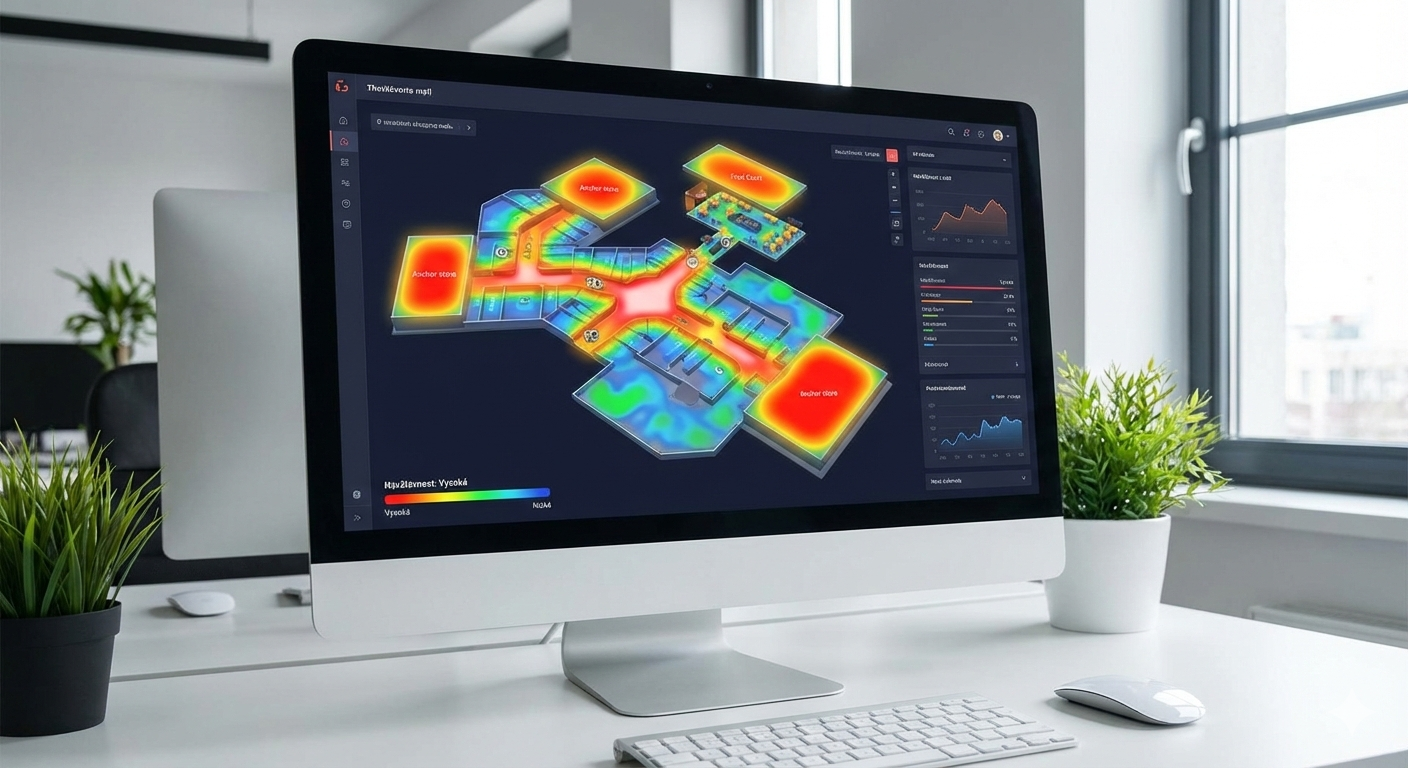
Optimize your space utilization with our innovative Office Space Software. Gain valuable insights into how your space is used, pinpointing areas with low usage to streamline allocation and enhance efficiency, ultimately saving costs.
The adoption of a property management system is not merely a trend but a strategic necessity for modern commercial properties aiming for operational excellence, financial accuracy, tenant satisfaction, and sustainable growth. Tenant management and facility management are the two pillars that determine whether a PMS actually changes day-to-day operations or simply digitizes the same manual workflows. As the real estate market continues to evolve, the integration of technology in property management is becoming increasingly critical for staying competitive and meeting the sophisticated demands of tenants and stakeholders alike.
Check our mall management software which is designed to streamline operations and enhance efficiency for shopping centers of all sizes. From small boutiques to large shopping complexes, our comprehensive suite of tools caters to every aspect of shopping center management.