Introduction
Shopping malls are no longer just places to shop — they are becoming destinations that blend digital convenience, personalized experiences, and a growing commitment to sustainability. For shopping mall managers, understanding and adapting to these structural shifts is essential to holding onto foot traffic and tenant demand. This article walks through the retail trends that continue to shape mall management strategy, and what operators should be doing about each one.
The Rise of Omnichannel Retail
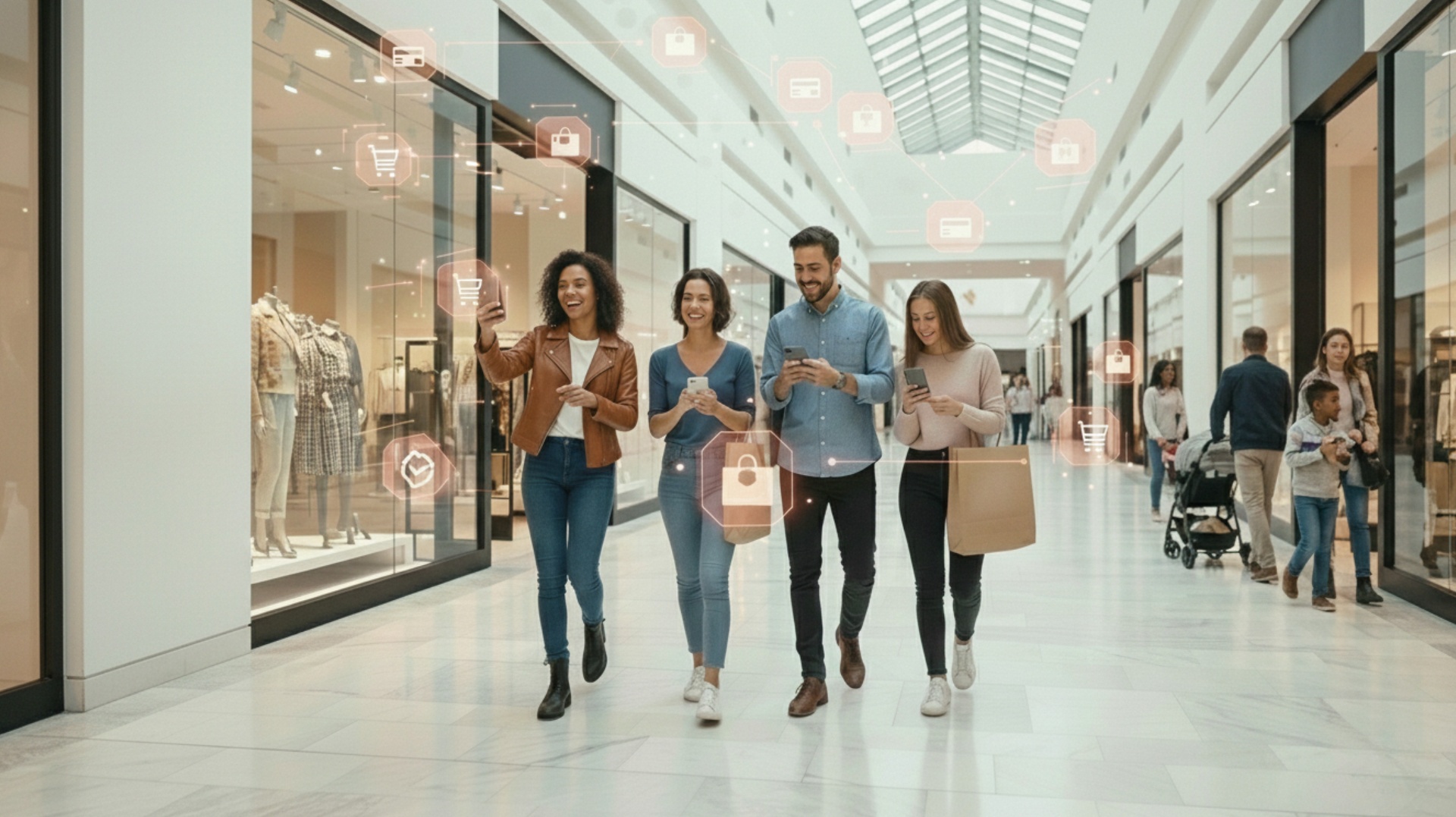
The line between online and offline shopping continues to blur. Omnichannel retail — integrating physical and digital experiences — is now an expectation rather than a differentiator. This trend underscores the need for mall managers to invest in digital infrastructure and tech partnerships that create a cohesive shopping experience across a tenant's online and in-mall channels.
Check out 10 reasons why your property definitely needs a property management system.
Personalization: The New Standard
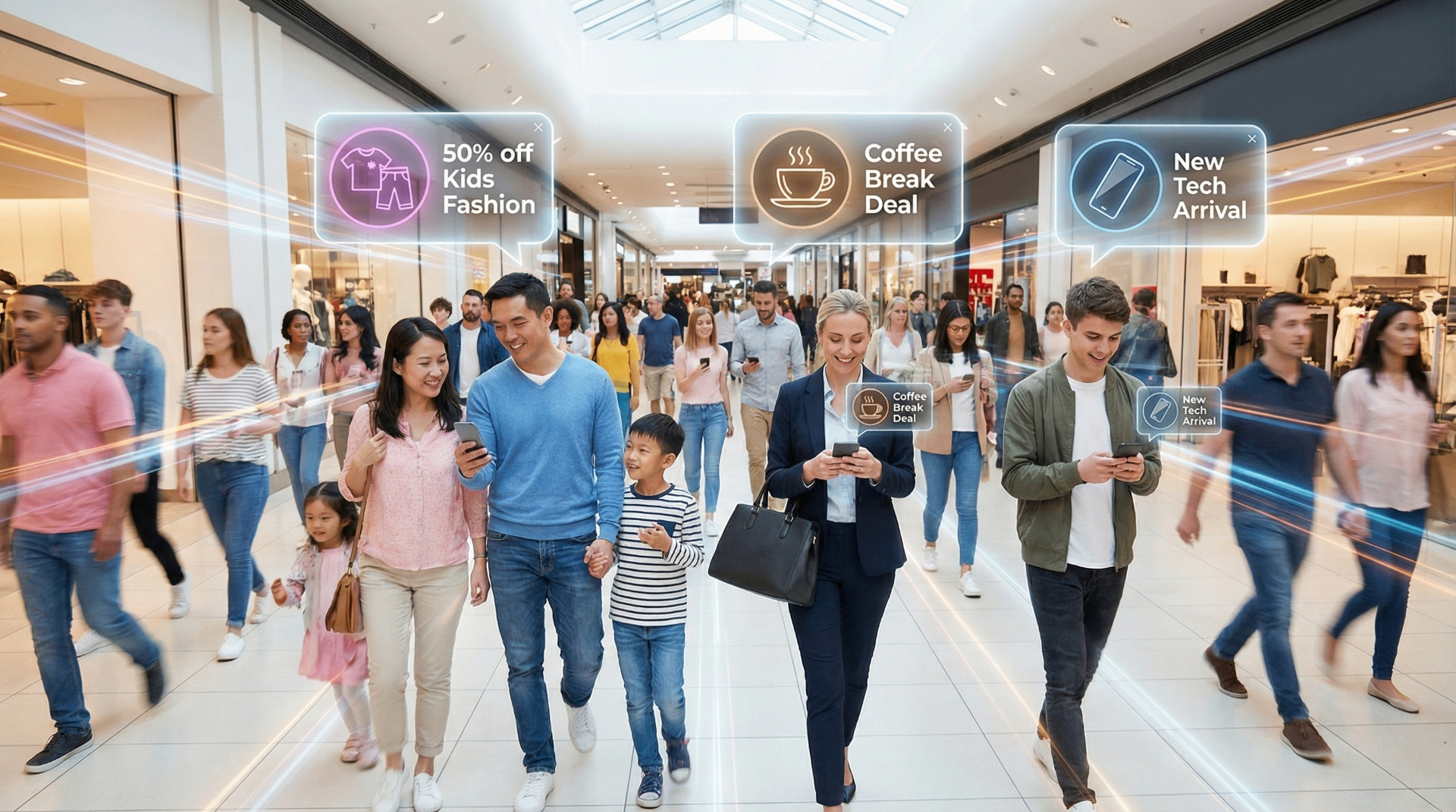
Retail is pivoting towards data-driven personalization. Shoppers increasingly respond better to offers and communications that reflect their own preferences and shopping history than to generic promotions. This trend emphasizes the importance for malls of using loyalty and analytics data to personalize deals, recommendations and marketing communications rather than broadcasting the same offer to every visitor.
Sustainable Practices Gain Ground
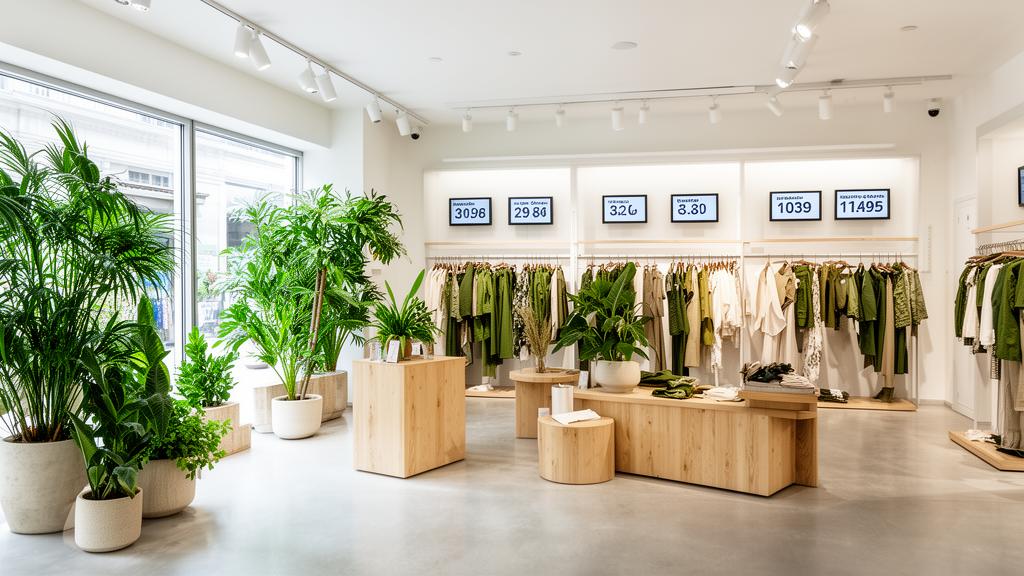
Sustainability has moved from a niche differentiator to a mainstream consumer expectation, and a growing number of tenants and landlords now report energy use and waste reduction as part of ESG commitments. This points towards a growing importance for eco-friendly stores and sustainability initiatives — recycling programs, energy-efficient common areas, EV charging — as part of a mall's positioning.
Experiential Retail: Creating Destinations
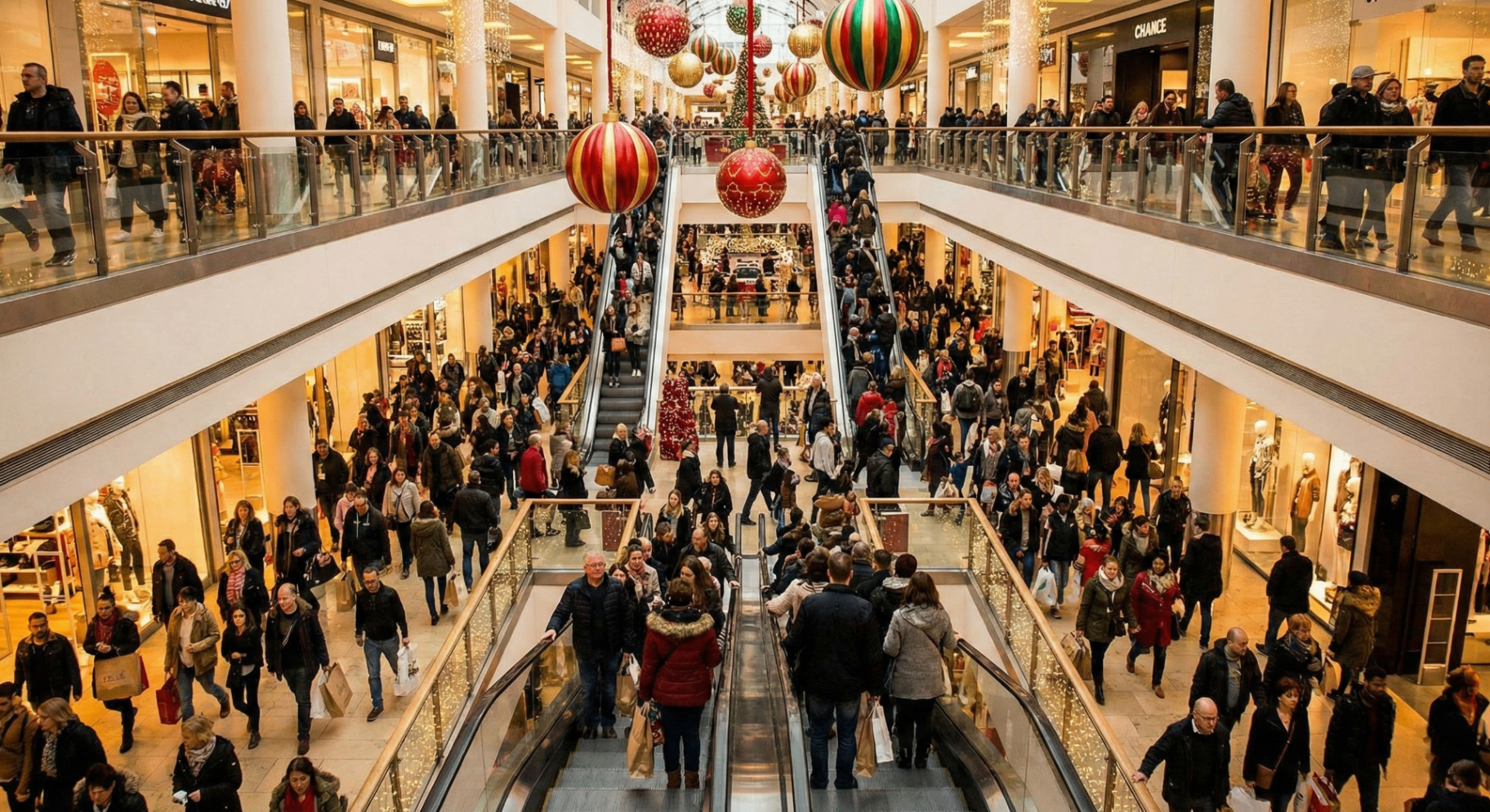
The "retailtainment" concept — blending shopping with entertainment — continues to gain ground. Malls are becoming lifestyle destinations offering experiences that cannot be replicated online: events, food halls, interactive installations and family entertainment. Operators that track their own dwell-time and repeat-visit data before and after adding experiential elements can build a property-specific business case for further investment.
The Emergence of Smart Malls
The integration of technology in malls is transforming the shopping environment. Smart malls, featuring IoT, AI, and other technologies, are enhancing customer experiences and operational efficiency. This includes innovations like smart parking, wayfinding, and AI-driven customer service.
Ensure secure access with our employee ID badge system. Our solutions provide robust authentication mechanisms and centralized access control, reducing the risk of unauthorized entry and safeguarding sensitive areas.
Local and Artisanal Brands in the Limelight
Consumer preference continues to lean towards local and artisanal brands, known for their uniqueness and authenticity. Malls are responding by allocating spaces for local artisans and niche pop-up stores, thereby attracting a diverse customer base and differentiating the tenant mix from pure e-commerce.
Conclusion
These retail trends offer both challenges and opportunities. By embracing omnichannel strategies, personalization, sustainability, experiential offerings, smart technologies, and local brands, malls can stay relevant and profitable. Staying informed and adaptable is essential in a fast-moving retail landscape — this is a running list of structural shifts, not a snapshot tied to a single calendar year.
Here's a summary of the most significant, durable trends:
1. Integration of Augmented and Virtual Reality
Retailers are increasingly adopting new technologies like augmented and virtual reality, which require adaptability and investments in employee training and technology. This is part of a broader trend where the physical and digital worlds of retail blend in new ways.
2. Personalized Consumer Experiences
The retail landscape is evolving to offer more personalized experiences to consumers. This trend is driven by advancements in artificial intelligence (AI) and data analytics, enabling brands to serve customers in more personalized, impactful ways.
3. Sustainability and Circular Economy
There's a growing emphasis on sustainability in retail, with a steady rise in recommerce — the practice of buying used and secondhand items, and reusing, reselling, and thrifting. This reflects growing awareness of the environmental impact of consumerism.
4. Continued Demand for Fast Delivery
Consumers continue to expect faster delivery services, such as same-day delivery, which puts pressure on retailers to optimize their supply chains and logistics operations — including click-and-collect models that route through physical mall locations.
5. Digital Offering's Influence on Revenue
A growing share of retail revenue continues to flow through retailers with a strong digital offering as part of their business model, particularly in digitally mature markets. Mall tenant mix and lease terms increasingly reflect this shift.
6. Economic Sensitivity
The retail sector remains sensitive to macroeconomic conditions, with factors like consumer confidence and interest rates directly affecting footfall and sales growth. Mall managers should build marketing and leasing plans that can flex with these cycles rather than assuming continuous growth.
7. Technology and Sustainability Integration
There's an increasing focus on integrating sustainability into building technology and infrastructure, which is also reshaping what mall operators prioritize in retrofit and capital planning.
8. Marketing Strategies Evolution
The marketing landscape in the retail sector continues to evolve, with a focus on enhanced segmentation and personalization using AI and first-party data collected through loyalty programs and apps.
Conclusion
Today's retail landscape presents a mix of opportunities and challenges for shopping mall managers. Embracing digital integration, focusing on personalization, committing to sustainability, and adapting to changing consumer preferences are key strategies for success. By staying informed and agile, malls can thrive, offering experiences that meet the evolving needs of consumers.
Simplaq works with shopping malls to modernize loyalty programs through mobile app solutions. Our approach is collaborative, ensuring that each solution is tailored to a mall's specific goals — leading to more effective loyalty programs and better data for strategic decision-making.
Connect with Simplaq to transform your loyalty program and set your shopping mall apart in the competitive retail landscape. Embrace the digital age with our mall gift card, now accessible through our app.
Check out software for visitor management, designed to streamline visitor processing and enhance security and efficiency for your premises.