As the retail landscape evolves, shopping malls are transforming from traditional retail hubs into dynamic spaces that offer unique and engaging experiences. For mall and business center managers, enhancing shopper engagement is paramount to staying competitive and driving foot traffic. This comprehensive guide explores the strategies and technologies that are revolutionizing digital shopper engagement, providing actionable insights to help mall managers effectively engage shoppers and boost sales.
Understanding Shopper Engagement
Shopper engagement refers to the emotional connection between consumers and shopping centers, driven by personalized experiences and interactive elements. Engaged shoppers are more likely to visit frequently, spend more time, and make more purchases, contributing to higher revenue and customer loyalty.
Importance of Shopper Engagement
Gallup's long-running work on customer engagement has repeatedly found that fully engaged customers are meaningfully more valuable than merely satisfied ones — they buy more, visit more often, and are harder for competitors to win over. Mall operators should treat engagement, not just footfall or transaction counts, as a KPI worth tracking in its own right (see Gallup's engagement research).
Digital Transformation of Shopper Engagement
Digital shopper engagement leverages technology to create personalized, interactive, and seamless shopping experiences. This section explores the key technologies and strategies that enhance shopper levels of engagement.
1. Mobile Apps and Loyalty Programs
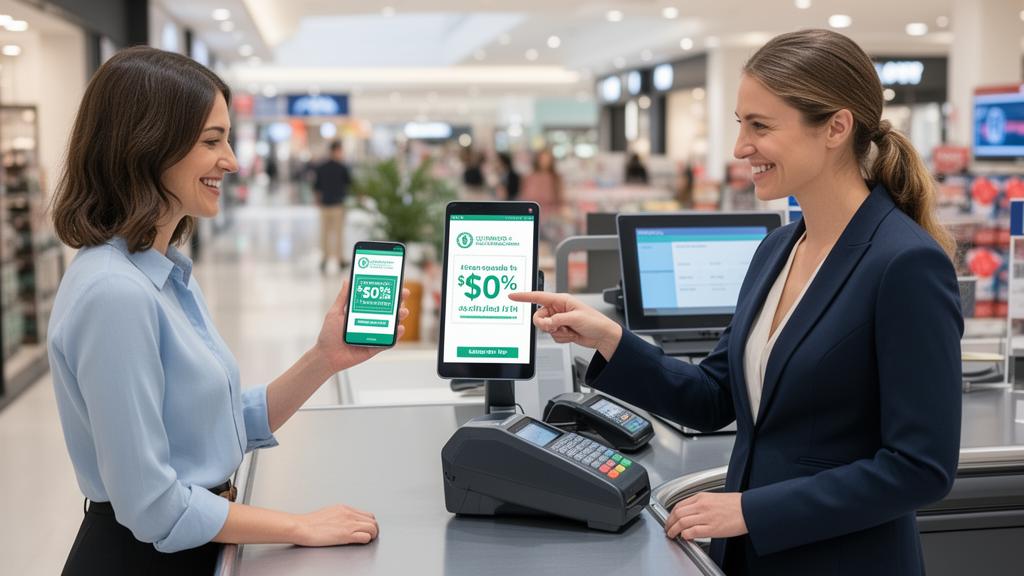
Mobile apps are central to digital engagement, offering features like digital coupons, personalized recommendations, and loyalty rewards. Well-run mobile loyalty programs tend to improve repeat-visit rates compared with having no structured loyalty mechanism at all, though the size of that lift varies by mall, tenant mix, and how the program is marketed — it is worth measuring against your own baseline rather than assuming an industry-wide figure.
2. Interactive Digital Signage
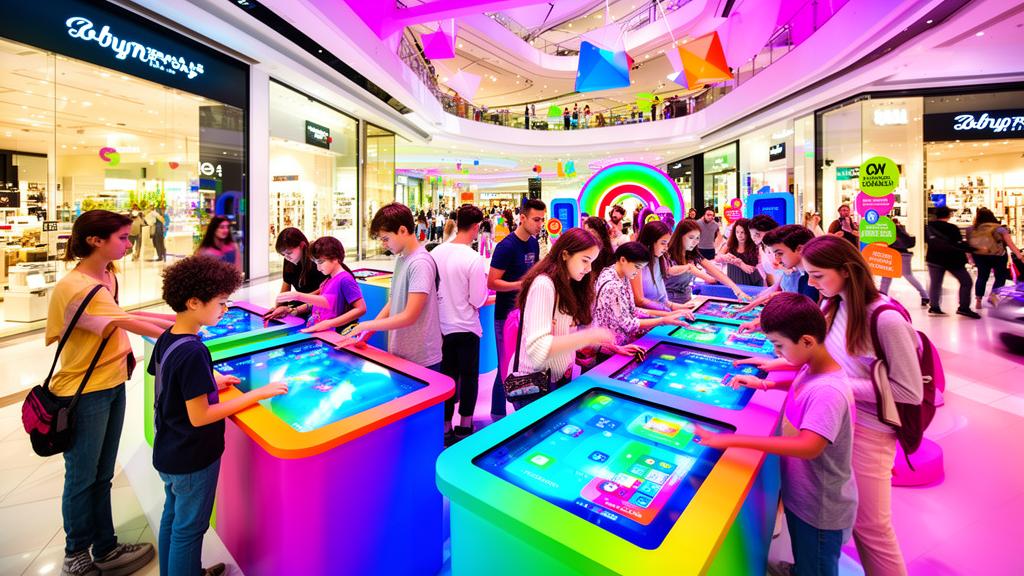
Interactive digital signage captures shoppers' attention and provides real-time information, promotions, and interactive experiences. Operators generally see stronger recall and dwell time around interactive displays than static signage, making it a common first investment for malls modernizing their in-center marketing.
3. Augmented Reality (AR) and Virtual Reality (VR)
AR and VR technologies offer immersive shopping experiences, such as virtual try-ons and interactive store displays. Where retailers have deployed them well, these tools tend to increase engagement with a product or display and can support conversion, but adoption inside shopping malls specifically remains limited to flagship stores and pilot programs rather than being mainstream infrastructure.
Shopper Insights and Engagement
To effectively engage shoppers, it is crucial to gather and analyze shopper insights and engagement data. This involves understanding shopper behavior, preferences, and feedback.
1. Data Analytics and Personalization
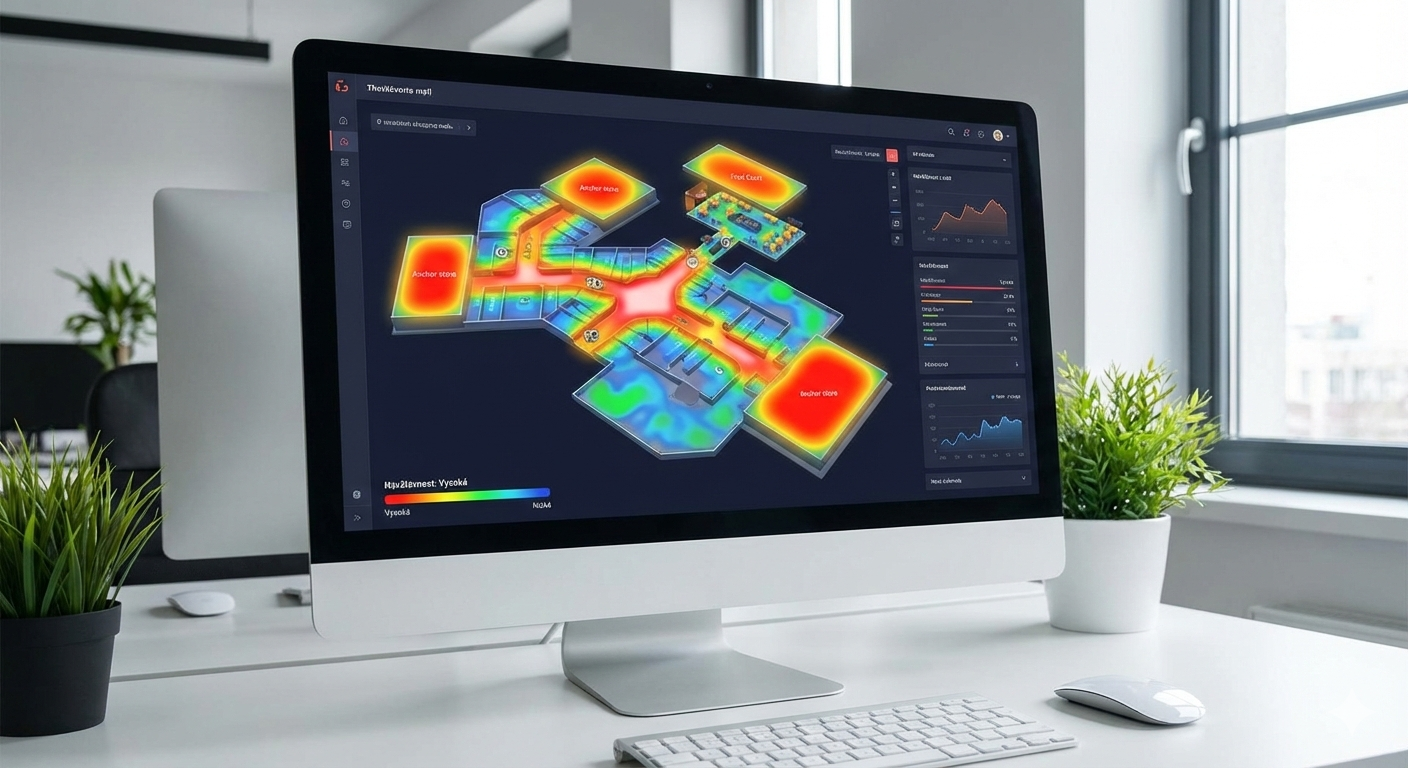
Utilizing data analytics allows malls to offer personalized experiences based on shopper behavior. McKinsey's research on personalization has found that companies excelling at personalization grow revenue faster than those that don't, reinforcing that personalization is a growth lever rather than a nice-to-have feature.
2. Customer Feedback Systems
Implementing feedback systems, such as surveys and review platforms, helps gather valuable insights directly from shoppers. Businesses that systematically close the loop on customer feedback — acting on it rather than just collecting it — tend to see better retention and fewer repeat complaints over time, which is the outcome mall managers should track locally through their own service and satisfaction data.
Effective Shopper Engagement Tactics
Developing effective shopper engagement tactics involves a combination of technology, personalization, and interactive experiences.
1. Gamification
Gamification techniques, such as reward-based challenges and interactive games, can meaningfully lift engagement and repeat participation when the rewards are relevant to the shopper base — malls should pilot gamified promotions on a limited scale and measure participation directly rather than relying on general benchmarks.
2. Omnichannel Strategies
Integrating online and offline channels provides a seamless shopping experience. Salesforce's retail research has consistently found that customers who engage with a brand across multiple channels spend substantially more than single-channel shoppers, which is a strong argument for connecting a mall's app, loyalty program and in-center signage into one coherent experience.
3. Experiential Marketing
Creating unique, memorable experiences, such as pop-up shops and interactive displays, enhances shopper engagement. Industry research from Event Marketer's EventTrack studies has consistently found that a majority of consumers are more inclined to buy after a positive experiential encounter with a brand, which supports investing in in-mall activations rather than relying on advertising alone.
Measuring Shopper Engagement
Measuring the effectiveness of shopper engagement tactics is essential for continuous improvement.
1. Key Performance Indicators (KPIs)
Track KPIs such as foot traffic, dwell time, sales per square foot, and customer satisfaction scores to gauge engagement levels. Retail analytics providers generally agree that dwell time is directionally correlated with spend — shoppers who stay longer tend to buy more — so it is worth monitoring alongside conversion rather than in isolation.
2. Customer Engagement Platforms
Utilize customer engagement platforms to centralize data collection and analysis. These platforms can provide comprehensive insights into shopper behavior and engagement trends.
Enhancing shopper engagement is critical for the success of shopping malls in today's competitive retail environment. By leveraging digital technologies, personalizing experiences, and implementing effective engagement tactics, mall managers can create a vibrant and engaging shopping environment that drives foot traffic and boosts sales. The future of retail lies in understanding and connecting with shoppers on a deeper level, and these strategies provide a roadmap for achieving that goal.