In the rapidly evolving retail landscape, the integration of personalized marketing strategies has become crucial for maintaining customer loyalty and driving sales. Personalization mall coupons, tailored to individual preferences, represent a powerful tool for engaging shoppers and enhancing their experience. This article delves into the significance of coupon marketing in shopping malls, explores the benefits of personalization, and provides actionable insights for mall and business center managers to effectively implement these strategies.
The Importance of Personalization in Coupon Marketing
Personalization in retail has consistently been shown to boost customer engagement and purchase intent — shoppers respond better to offers that reflect what they actually buy than to blanket discounts. In the context of malls, personalization mall coupons can drive foot traffic, increase dwell time, and enhance overall shopper satisfaction when they are targeted well.
Benefits of Personalized Coupons
1. Increased Customer Engagement
Personalized coupons attract more attention and are generally more likely to be redeemed than generic, one-size-fits-all offers, because the shopper immediately recognizes the discount as relevant to something they already buy.
2. Enhanced Shopping Experience
Shoppers appreciate personalized deals that align with their preferences. This enhances their shopping experience and encourages repeat visits, fostering long-term loyalty.
3. Improved Sales and Revenue
Personalized coupons can meaningfully influence a mall's revenue by nudging shoppers toward stores and categories they are already inclined to buy from — the actual uplift for a given mall depends on the quality of the underlying purchase data and should be measured against that mall's own baseline redemption and spend figures.
Implementing Personalization Mall Coupons
Coupon marketing in malls can be implemented through various channels:
1. Data Collection and Analysis
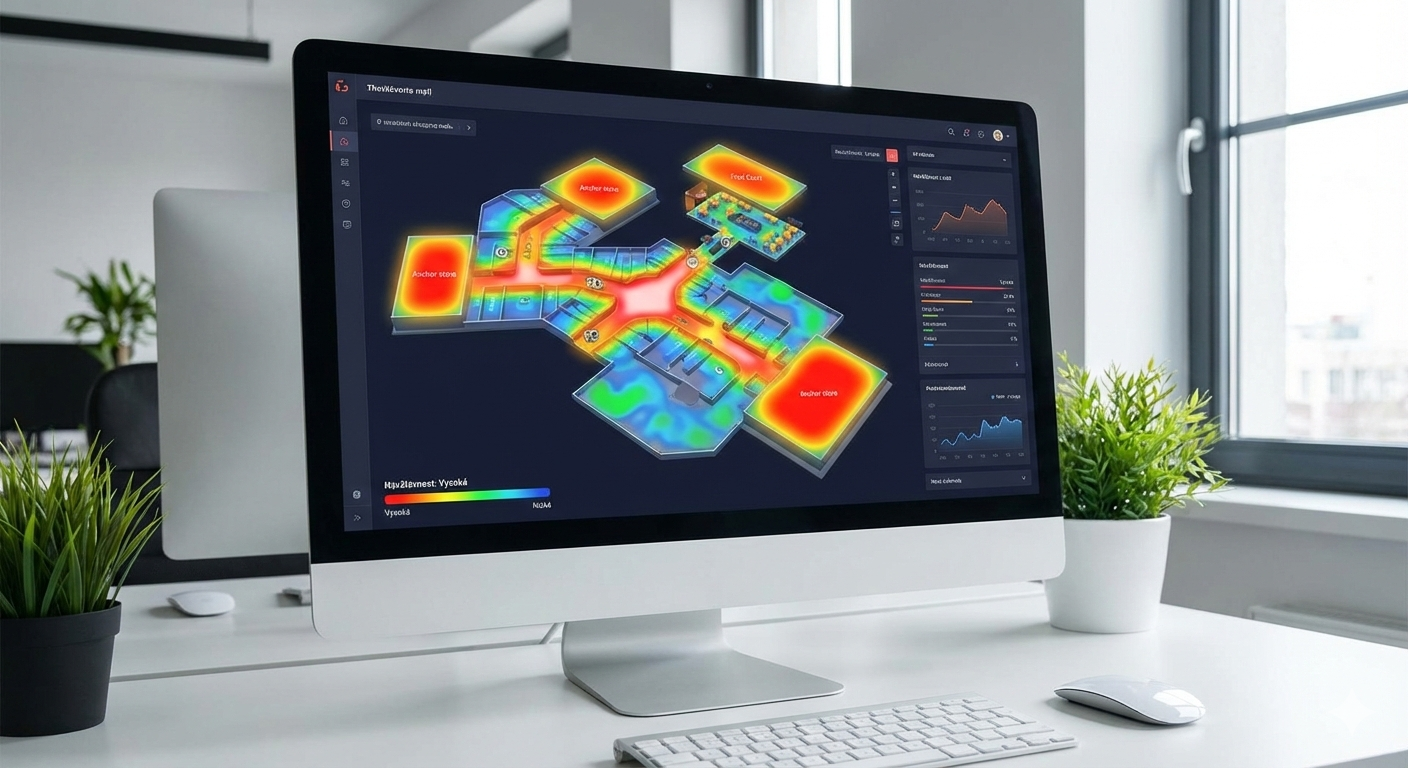
Collect data on shopper behavior, preferences, and purchase history through loyalty programs and mobile apps. Analyze this data to identify trends and tailor coupon offers accordingly.
2. Segmentation and Targeting
Segment your audience based on demographics, shopping habits, and preferences. Target these segments with specific coupon offers that are relevant to their interests. Even simple segmentation — frequent visitors versus occasional ones, or shoppers concentrated in one category versus browsers across many — outperforms sending the same coupon to an entire customer base.
3. Multi-Channel Distribution
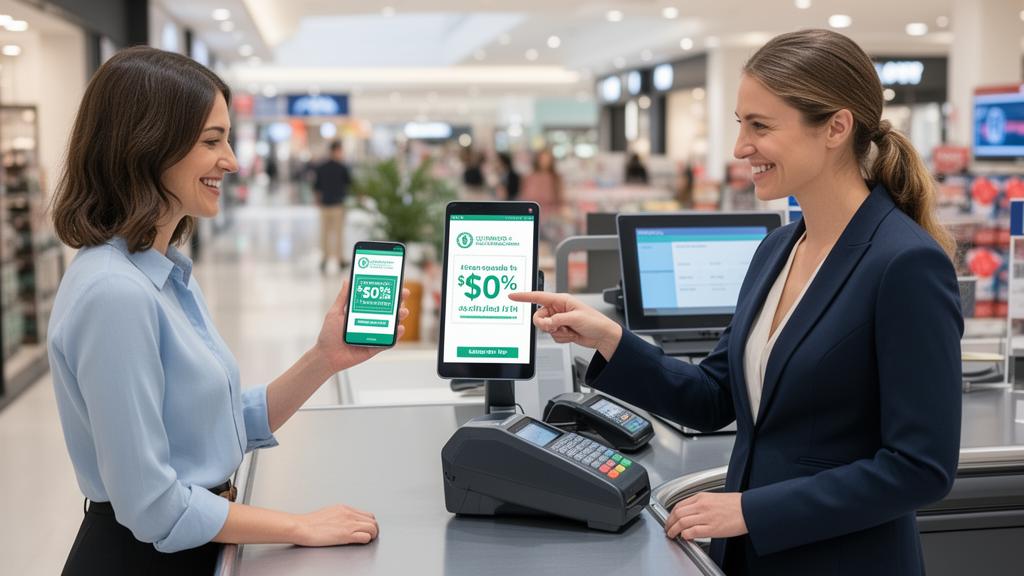
Distribute personalization mall coupons through various channels, including email, SMS, mobile apps, and in-store kiosks. Ensure that these coupons are easily accessible and redeemable.
4. Real-Time Personalization
Utilize real-time data to offer personalized coupons during the shopper's visit. For example, if a shopper frequently visits a particular store, offer a discount for that store when they enter the mall.
5. Guardrails Against Coupon Fatigue and Margin Erosion
Personalized coupons are not free money — every redemption is a margin trade-off, and shoppers who receive discounts too frequently can start waiting for the next one instead of buying at full price. Setting frequency caps per shopper, tracking discount depth against actual incremental visits, and periodically testing a smaller control group without coupons are practical ways to keep a program profitable rather than just popular.
Getting the Operational Details Right
A personalization program lives or dies on its operational plumbing. Coupons need to reconcile against tenant point-of-sale data so redemptions can be verified and tenants can be confident the program is working in their favor, not just the mall's. Clear opt-in and consent flows for the data used to personalize offers are equally important — under regimes like GDPR, using purchase history to target a shopper requires a lawful basis and a way for that shopper to opt out, which should be built into the coupon program from the start rather than retrofitted later.
Future Trends in Personalization Mall Coupons
As technology continues to advance, the direction of personalization mall coupons is shifting toward more automated, real-time targeting. Emerging trends include:
1. AI and Machine Learning
AI and machine learning algorithms are increasingly used to predict which offers a given shopper is likely to act on, enabling more effective personalization. These techniques can process large volumes of transaction data to adjust coupon targeting as shopper behavior changes, rather than relying on static segments defined months earlier.
2. Augmented Reality (AR) Coupons
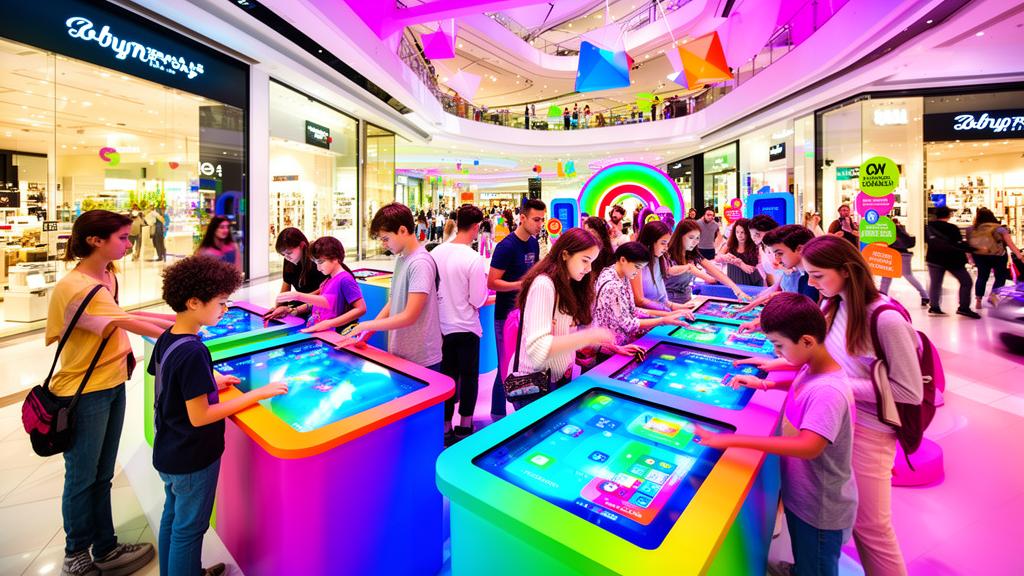
AR technology can create immersive coupon experiences. For example, shoppers can use their smartphones to find virtual coupons hidden throughout the mall, gamifying the shopping experience and increasing engagement, though adoption inside malls remains at the pilot stage for most operators.
3. Fraud Prevention in Coupon Redemption
As coupon programs scale, preventing duplicate redemption and coupon fraud becomes more important. Point-of-sale integration and unique, single-use codes tied to a specific shopper are the most reliable controls available today, rather than relying on printed or easily-shared discount codes.
Conclusion
The integration of personalization mall coupons into a mall's marketing strategy can significantly enhance customer engagement, drive sales, and foster long-term loyalty — provided the program is built on accurate data, clear consent, and guardrails that protect margin. By leveraging data, targeting specific segments, and utilizing multi-channel distribution, mall managers can effectively implement personalized coupon strategies. As technology continues to evolve, the direction of coupon marketing in malls points toward more automated, real-time personalization — but the fundamentals of good data, clear targeting and disciplined measurement will remain the difference between a coupon program that pays for itself and one that just discounts sales that would have happened anyway.
Find out more info about mall marketing on our blog.